Asthma
Home › Exercise For › Asthma
Asthma
Overview
Yoga breathing exercises for asthma are the most effective natural cure for asthma. Asthma is a chronic lung disease that inflames and narrows the airways. Videos of Yoga breathing exercises given here will change your condition in 21 Days.
They will help to soothe and ease congestion of the bronchioles and increase lung capacity. If you get an asthma attack these exercises will help to manage the agony. With regular practice, over time Yoga breathing exercises will help you leave the agony of Asthma behind.
Asthma affects people of all ages, but it most often starts during childhood. The prime cause for this problem is pollution. Though different current asthma treatments are available, yoga therapy is the most preferred natural remedy for asthma as it is effective and has no side effects.
Causes of Asthma
The exact cause of asthma is not known. An asthma attack is a reaction to a trigger.
Triggers of asthma attack:
- Allergic reaction.
- Exposure to cold, dry and polluted weather.
- Exposure to tobacco, dust, molds or wood smoke.
- Close contact with pets, pollens.
- Inhaling respiratory irritants such as perfumes, deodorants, room fresheners or cleaning products.
- URTI, such as a cold, flu, sinusitis, or bronchitis.
- Emotional excitement or stress.
- Physical exertion or exercise.
- Reflux of stomach acid known as gastroesophageal reflux disease (GERD).
- Sulfites, an additive to some foods and wine.
Risk factors for developing asthma:
- Hay fever (allergic rhinitis) and other allergies.
- Eczema: another type of allergy affecting the skin.
- Genetic predisposition: a parent, brother, or sister also has asthma.
Yoga Cure For Asthma
In this free course, yoga will help you to recover from the underlying factors of asthma attacks. If you have a acute condition or suffer from multiple diseases other than asthma, consult our yoga doctors before starting the course to ensure that you are not doing contradicting exercises that can aggravate other conditions.
Start practicing yoga regularly. Choose a time of day you can stick with, so that exercise becomes a habit. No matter what time of day you choose to exercise, make sure to plan your workout two to three hours after your meal.

Deep Breathing
Stand straight with your hands raised in front parallel to your shoulders. Fold both palms into fists. Now inhale deeply through the nose while spreading your hands sidewise, expanding the chest fully. Feel your ribcage open up. Hold for a moment. Exhale slowly through the nose while bringing your hands back to the starting position in front. Do this 10 times. Rest for a minute. Then repeat another set of 10.
Benefits: Gets you energized and focused. Expands lung capacity significantly which is crucial for asthma management. The chest expansion helps to open up the airways and strengthens the respiratory muscles. Regular practice can reduce the frequency of asthma attacks.
Intercostals Breathing
Stand straight with your feet shoulder-width apart. Place your right hand on the right ribs and left hand on the left ribs with your fingers resting on the intercostal spaces (between the ribs). Now take a deep breath in through the nose, feeling your ribs expand outward against your hands. Exhale slowly, feeling the ribs contract. Focus on making the rib movement as large as possible. Do this 10 times slowly.
Benefits: The intercostal muscles get active and strong with this exercise. It specifically trains the muscles between the ribs which are essential for breathing. This exercise is particularly helpful for asthma sufferers because it improves the ability to breathe deeply even when normal breathing is difficult during an episode.


Abdominal Breathing
Stand straight with your feet slightly apart. Keep both palms on your navel area, right palm resting over the left palm. Now take a deep breath in through the nose, pushing your abdomen outward against your hands. Feel your belly expand like a balloon. Exhale slowly through the nose while pulling your abdomen inward. Focus on making the abdominal movement as large as possible. Do this 10 times slowly and mindfully.
Benefits: Promotes deep relaxation of the airways which is essential for asthma management. Abdominal breathing engages the diaphragm fully, allowing the lungs to fill to their maximum capacity. This technique can help to calm you during an asthma episode and reduce the severity of symptoms.
Quick Inhalation
Stand straight with your hands beside your thighs. Keep your mouth closed. Now quickly inhale and exhale through the nose in rapid succession. The focus should be on forceful exhalation - the inhalation will happen naturally. Start slowly and gradually increase the speed. Do 10 rapid breaths. Rest for 30 seconds. Then repeat another set of 10. With practice, you can increase to 20 breaths per set.
Benefits: Quickly opens up blocked nasal passages and improves airflow to the lungs. This rapid breathing technique helps to clear mucus from the airways and strengthens the respiratory muscles. It also increases oxygen supply to the blood, which helps asthma sufferers breathe more easily.
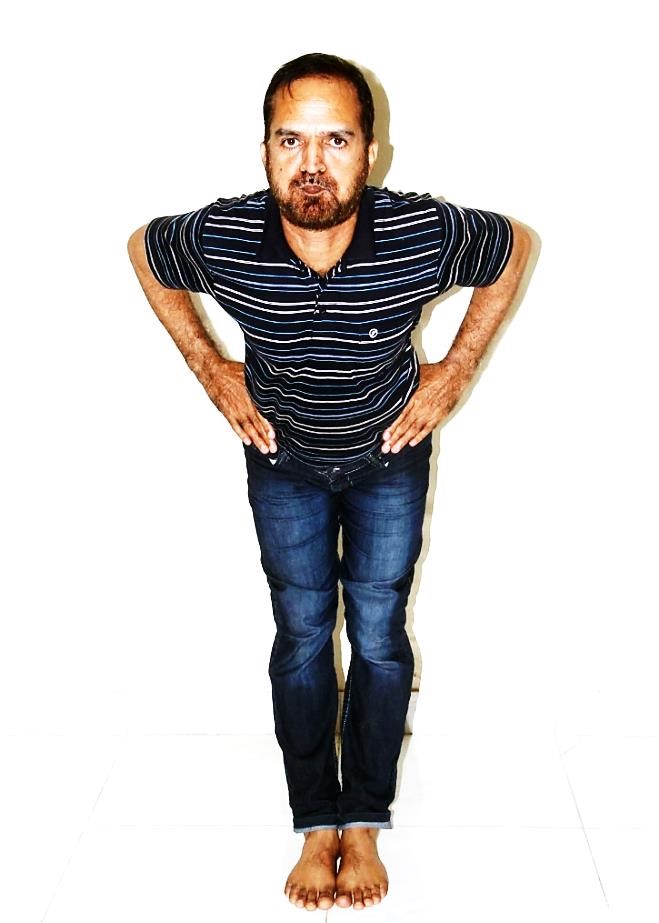
Deep Blow
Stand straight with your feet slightly apart. Place both arms on your waist. Take a deep breath in through the nose, filling your lungs completely. Now exhale slowly and forcefully through the mouth while bending your upper body forward. The exhalation should be long and controlled, emptying the lungs as completely as possible. Return to the standing position and inhale again. Do this 10 times. Rest for a minute between sets.
Benefits: Expanded lung capacity provides essential oxygen flow to all organs in the body. The forceful exhalation helps to expel stale air and mucus from the lungs, making room for fresh oxygen. This exercise trains the respiratory muscles to work more efficiently, which is critical for managing asthma symptoms.
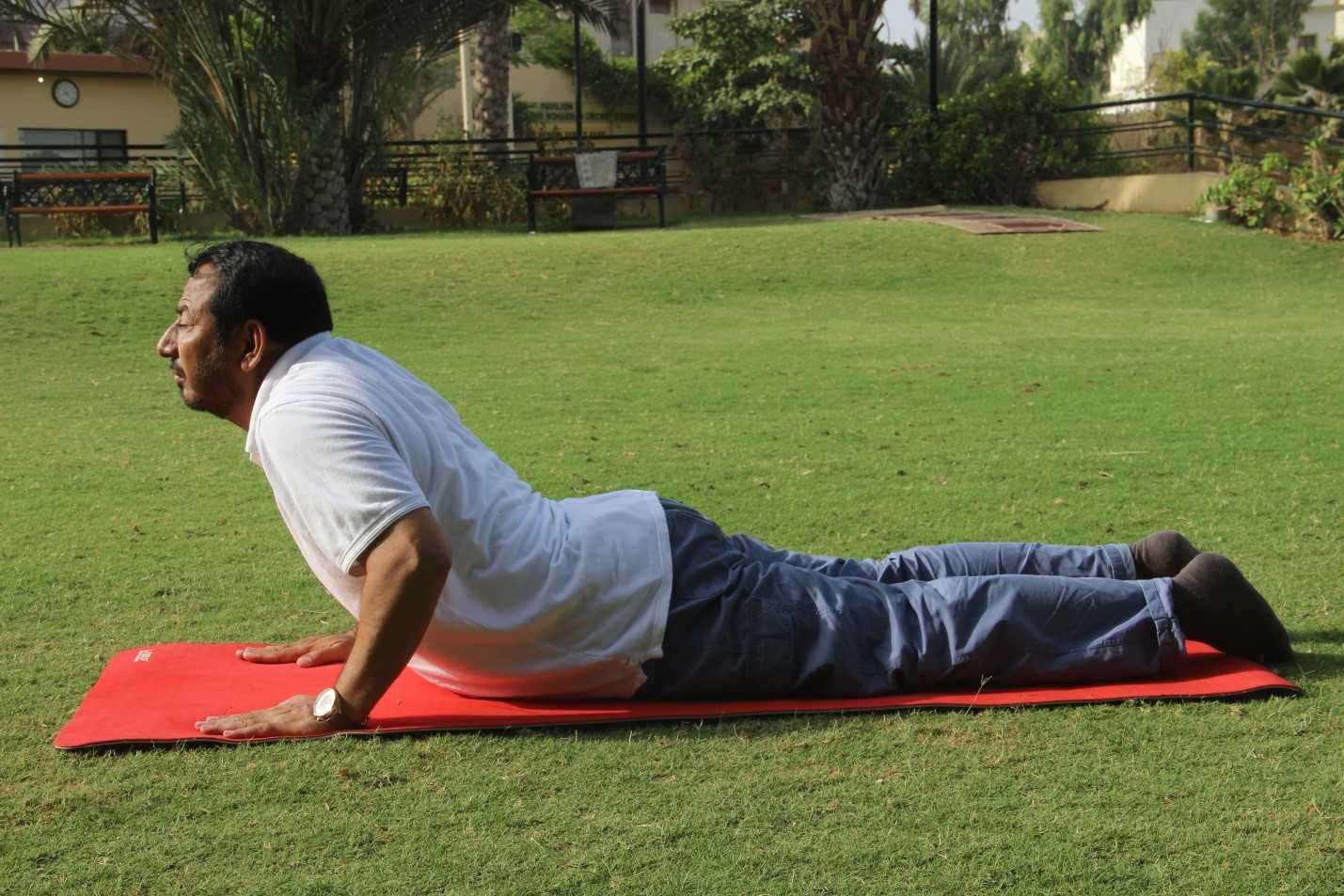
Cobra Pose
Lie down on the floor with your face downwards. Chin should touch the floor. Both your toes should be kept together and they should be turned outwards. Place your hands in such a way so that your lower arm till elbow should rest on the floor. Elbow should be parallel to shoulder. When you raise your trunk, your forearms should be touching the sides of the chest. Now put pressure on the hands and raise your body up. Breathing will be normal. Now, hold this position and count 5. Rest the body on the floor. Repeat again. Then take rest in Corpse pose.
Benefits: Helps to ease symptoms of asthma.
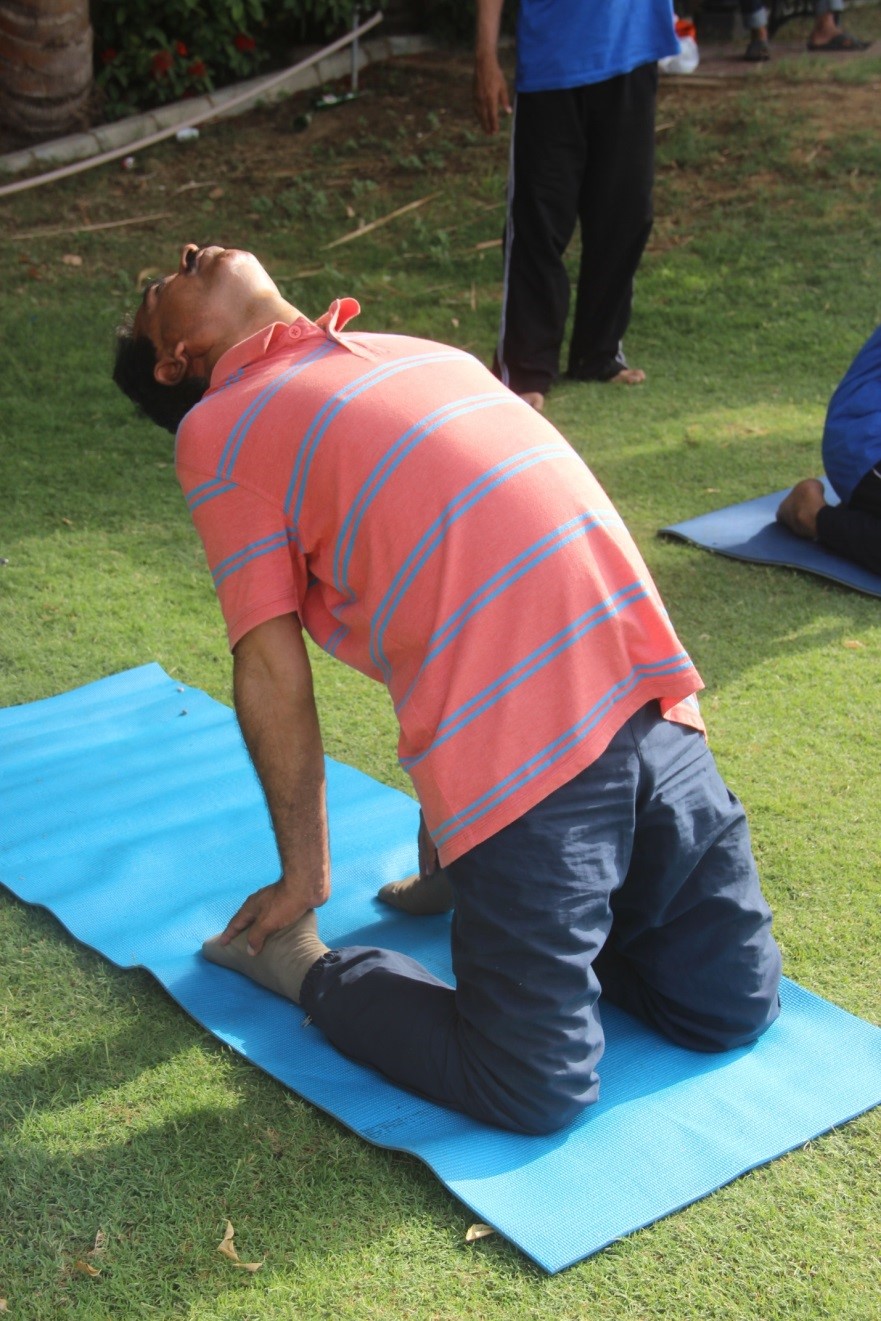
Camel Pose
Sit in a kneeling position with your knees hip-width apart and thighs perpendicular to the floor.
- Rotate your thighs inward slightly and firm but don't harden your buttocks. Press shins and foot tops firmly into the ground.
- Position hands on the back of the pelvis with palms on the buttocks. Spread the back pelvis and lengthen through the tailbone. Inhale and elevate the heart by engaging shoulder blades.
- Lean backward using tailbone and shoulder blade support. Keep your head neutral initially. Beginners may need to turn toes under to elevate heels if unable to touch feet.
- If comfortable, reach back and hold both ankles with your hands. Press palms firmly against your soles. Turn arms outwardly and maintain a neutral neck position.
- Stay in this pose for 30 seconds to a minute. Exit by placing hands at hip points, inhaling while lifting torso. Lead with the heart rather than the chin.
Rest in Corpse pose. Repeat once more.
Benefits: Opens the chest wide, significantly improving respiration capacity. The pose activates lung cells and supports the respiratory system, assisting asthma patients. It also cures cervical spondylitis, sciatica and all other spinal problems. This is especially beneficial for asthma sufferers who often have a contracted chest.
Fish Pose
Sit with your legs stretched out straight. Place a firm pillow or folded blanket behind you. Slowly lie back over the pillow so that it supports your upper back and opens your chest. Place the crown of your head on the ground by bending the cervical spine backwards gently. Place your palms on your thighs and let your elbows rest on the ground. Hold this position and count 5 with slow, deep breathing. To come out, release your hands first, then slowly lift your head using the support of your hands.
Benefits: Expands lung capacity and improves breathing significantly. The supported chest opening allows the lungs to expand fully. The pillow support makes this pose accessible even for beginners. Regular practice helps to strengthen the respiratory muscles and reduce asthma symptoms.
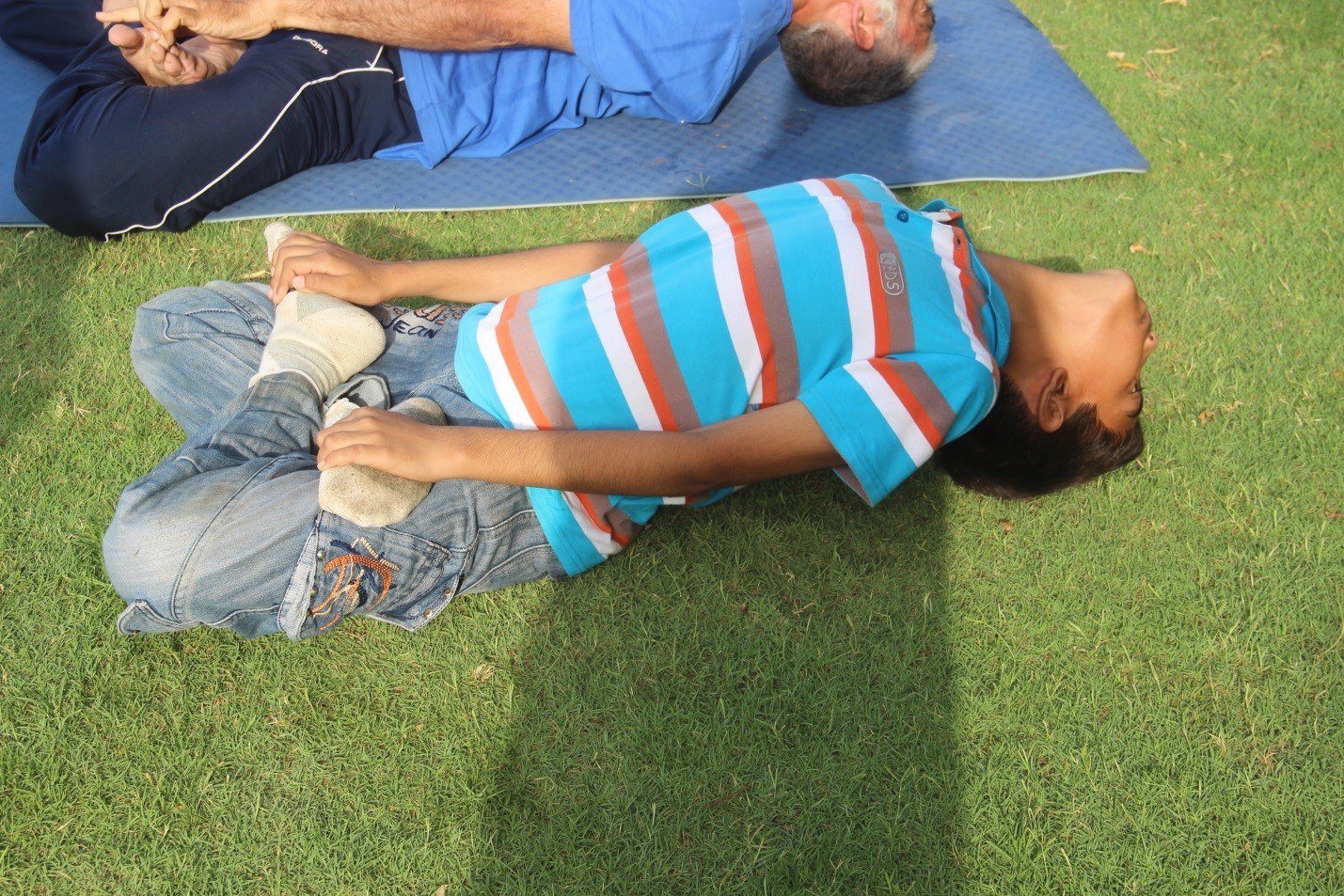

Stick Posture
Lie down on your back. Stretch your hands straight upward above your head and hold your right thumb with your left thumb. Keep your feet outstretched and together. Now stretch your lower body downward and your upper body upward simultaneously, creating a full body stretch. Hold this position for 10 counts with normal breathing. Release and relax. Practice twice. Then take rest in Corpse pose.
Benefits: Stretches the whole body and provides natural traction to the spine. The full stretch opens the chest and ribcage, allowing for deeper breathing. This pose helps to decompress the lungs and improve their capacity, which is essential for asthma management.
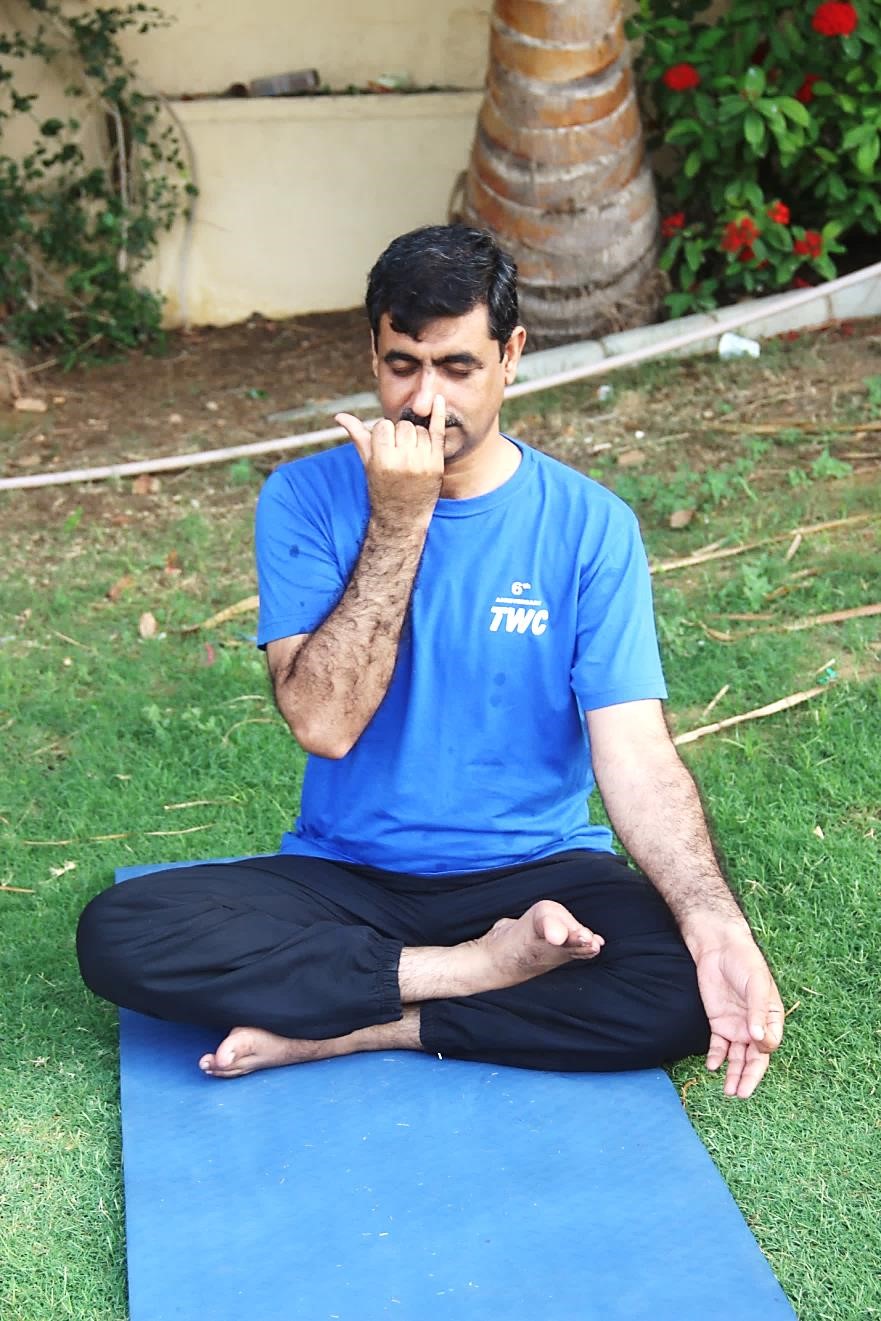
Breath Control
Sit in Easy posture with your spine erect. Close your eyes. Close your left nostril with ring and little finger. Breathe in slowly through the right nostril. Then block the right nostril with your thumb and breathe out slowly through the left nostril. Breathe in through the left nostril. Close the left nostril and breathe out through the right. This is one round. Do 10 rounds slowly and mindfully, concentrating on each breath.
Benefits: Can actually relieve symptoms of asthma by teaching you to control your breathing patterns. This technique balances the airflow through both nostrils, calms the nervous system and reduces the frequency and severity of asthma attacks. It strengthens the respiratory muscles and improves lung function over time.
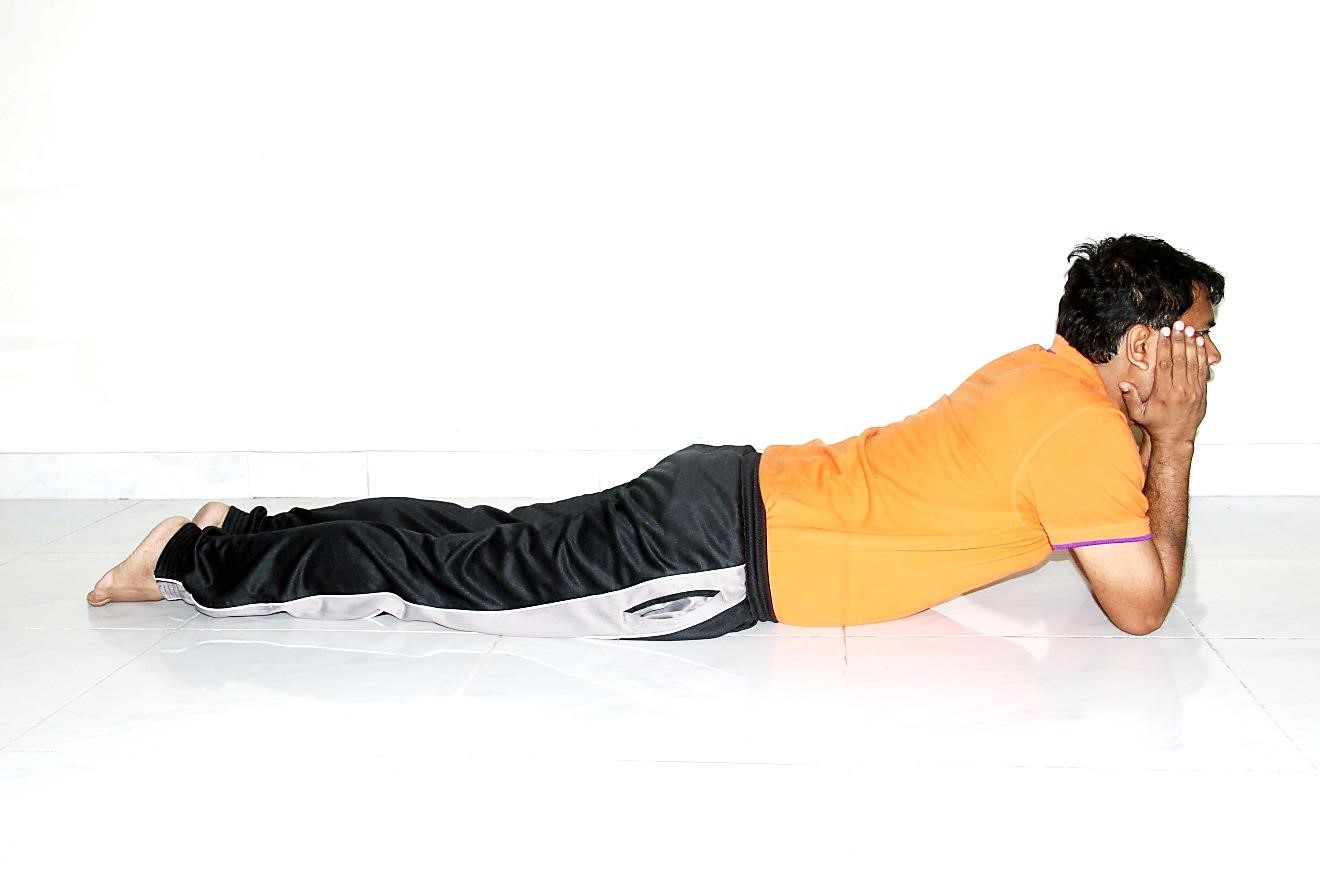
Crocodile Pose
Lie down on your stomach with your face downward. Cross your arms under your forehead, resting your forehead on your forearms. Spread your legs slightly apart with toes pointing outward. Close your eyes and breathe deeply, focusing on the expansion of your abdomen against the floor with each inhalation. Feel your belly press into the floor as you breathe in, and relax as you breathe out. Continue this deep abdominal breathing for 3-5 minutes.
Benefits: Specially useful in asthma and lung-related problems. The prone position naturally engages diaphragmatic breathing which is the most efficient breathing pattern. This pose helps to relax the airways, reduce bronchospasm and promote deeper, more efficient breathing. It is an excellent recovery pose after other exercises.