Heart Exercise
Home › Exercise For › Heart Exercise
Heart Exercise
Heart Exercise for a Healthy Heart
Our life span primarily depends on the functioning of the heart. Routine heart exercise and proper diet are major requisites to maintain a healthy heart.
You are at a greater risk of a heart attack if you do not exercise. Lack of physical activities and heart exercise can be a life-threatening factor which might culminate in the worst heart diseases, both in men and women.
Activities of a heart
Our heart has essentially two distinct, but anatomically connected pumps:
Right side - Receives blood from body and pumps blood into lungs to gather oxygen.
Left side - Receives oxygenated blood from lungs and sends out to body.
Yoga Research related to heart exercise
It has been revealed from various research studies that chronic stress is the main factor of heart and other systemic disorders. Sympathetic and parasympathetic nerve controls helps in evaluating the heart rate variability (HRV) due to stress and anxiety.
A research was conducted to observe the effect of regular yogic practices and self-discipline in reducing body fat and elevated lipids in CAD patients. In this study one hundred seventy (170) subjects, of both sexes having coronary artery disease were randomly divided in to two groups in yoga group and in non-yoga group, Body fat testing and estimation of lipid profile were done of the both groups at zero time and after six months of yogic intervention in yoga group and without yogic intervention in non yoga group. Duration of the program for study was 35-40min/day. It was concluded from this study that there was significant reduction in the total cholesterol, triglycerides, LDL, DBP, SBP, and heart rate after a regular practice of Yoga for 6-month period. Therefore yogic practice is beneficial for cardiac patients and it reduces the risk of coronary artery disease.
Heart and Exercise
Regular exercise, especially the specific healthy heart exercise, helps your heart to become stronger, so that it can pump more blood into your body with minimum effort. Indeed, if you exercise regularly, you are less likely to develop heart diseases, as compared to those who don't exercise. Exercise can also help reduce symptoms of high cholesterol and high blood pressure, which may otherwise, be disastrous for the heart.
The following are the benefits of exercise:
- Strengthen heart and cardiovascular system lowering the possibility of heart diseases as well as heart attacks. Along with other exercises, the heart attack exercise should also be included.
- Improve circulation and help your body to use oxygen better.
- Increase energy levels so that you can do more activities without getting tired or short of breath.
- Decreases blood pressure.
- Improve muscle tone and strength.
- Improve balance and joint flexibility.
- Strengthen bones.
- Help to reduce body fat and reach a healthy weight.
- Help to reduce stress, tension, depression and anxiety.
- Improve sleep and making you feel more rested and relaxed.
- Make you look fit and feel healthy.
The difficult part of an exercise routine is getting started. Once you have established a regular pattern of exercise, you will feel the difference and gradually, it will become part of your daily routine, just like eating and sleeping.
Physical activities like walking, swimming and bicycling help the heart to function smoothly.
Make sure that you exercise intelligently and cautiously, but don't forget to include yoga in your schedule, since yoga takes care of both internal and external health problems. Exercise assists in improving your health. There is neither any side-effect nor does it cause any harm. Those who are beginners need to follow certain guidelines before starting their exercises.
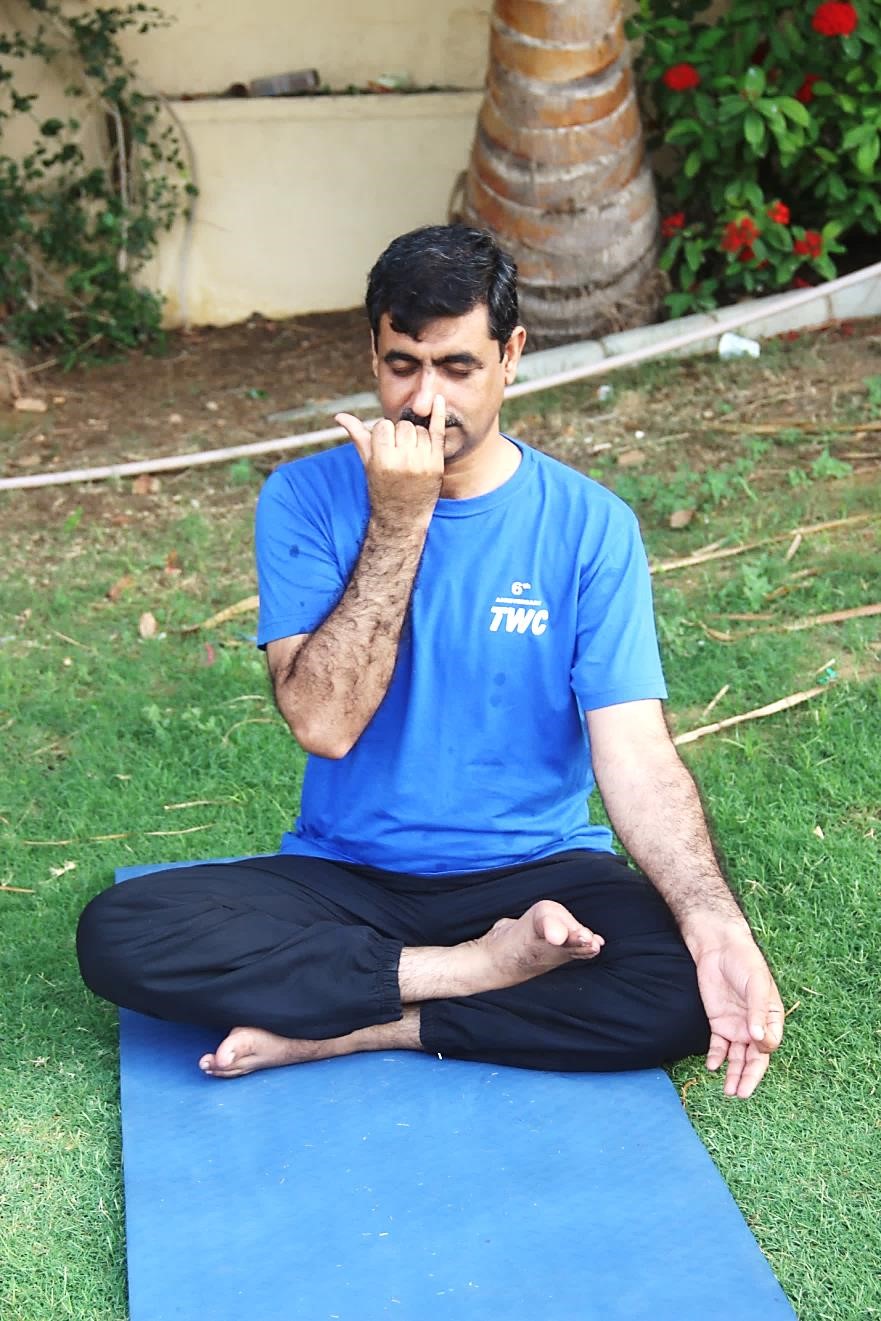
Deep Breathing
Stand or sit straight with your back erect. Inhale deeply through the nose for 4 counts, filling your abdomen first, then your chest. Hold the breath for 4 counts. Exhale slowly through the nose for 6 counts, emptying your chest first, then your abdomen. Repeat this process 10 times. Rest for a minute and repeat once more.
Benefits: This exercise helps in reducing blood pressure and heart rate. Deep breathing activates the parasympathetic nervous system which slows the heart rate and promotes relaxation. Regular practice strengthens the cardiovascular system.
Deep Breathing With Folding Hands
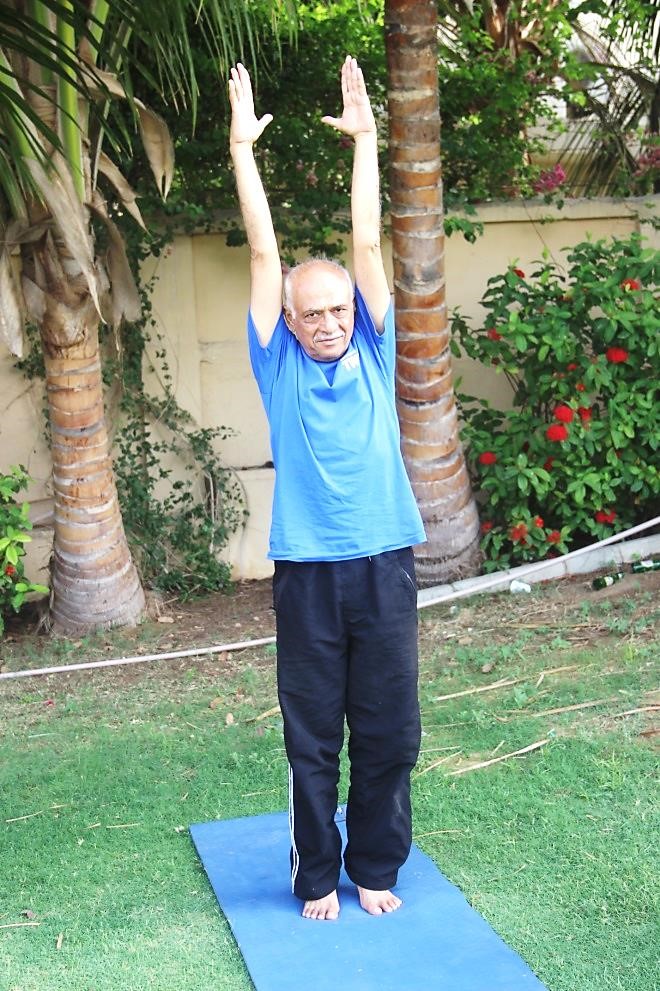
Stand straight with feet shoulder-width apart. Fold your hands in prayer position in front of your chest. Inhale deeply while slowly raising your folded hands above your head, stretching upward. Hold for a moment. Exhale slowly while bringing your folded hands back down to chest level. Do this 10 times slowly, synchronizing your breath with the movement.
Benefits: Relaxes the mind and body and reduces the risk of heart attacks. The combination of deep breathing and gentle arm movement improves blood circulation and helps regulate heart rhythm. It also helps reduce mental stress which is a major contributor to heart disease.
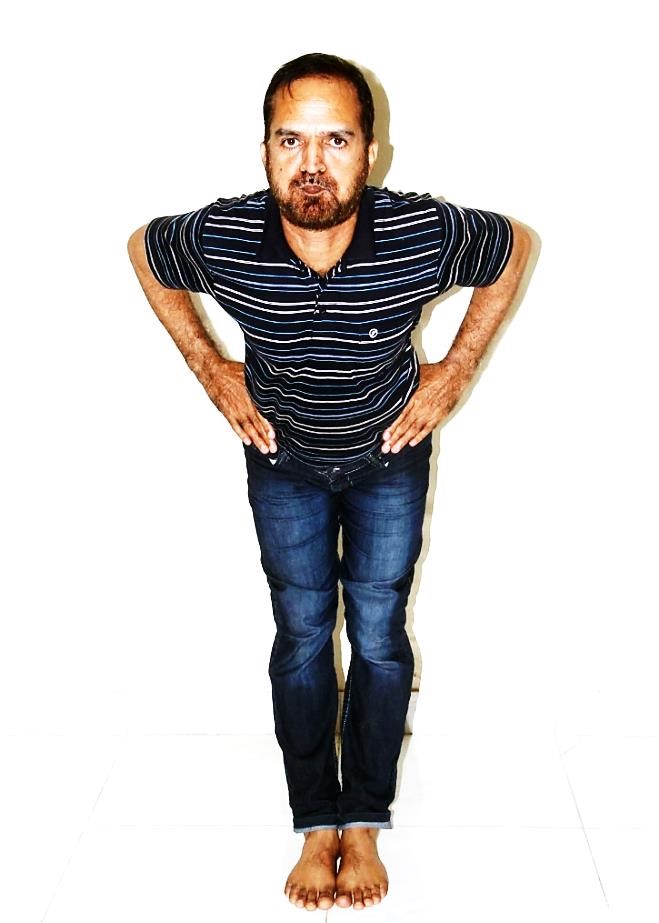
Deep Blow
Stand straight with feet slightly apart. Place both arms on your waist. Take a deep breath in through the nose, filling your lungs completely. Now exhale slowly and forcefully through the mouth while bending your upper body forward. The exhalation should be slow and controlled. Return to standing position. Do this 10 times. Rest for a minute in between sets.
Benefits: Good for heart palpitations and prevents heart ailments and heart attacks. This exercise helps to strengthen the heart muscles and improve the efficiency of blood circulation. The forceful exhalation helps to expel carbon dioxide and toxins from the body.
Yoga Breathing
Sit in Easy pose with your spine erect. Practice complete yogic breathing - inhale slowly filling your abdomen, then your chest, then your upper chest. Hold briefly. Exhale slowly in reverse order, emptying upper chest, then chest, then abdomen. Each inhalation and exhalation should take 5-6 seconds. Continue this for 5 minutes with full concentration on your breathing.
Benefits: Controls blood pressure and functioning of the heart. Complete yogic breathing ensures maximum oxygen intake which strengthens the heart muscles and improves cardiovascular function. Regular practice helps in prevention of heart disease.

Wind Relieving Pose
Lie on your back with legs extended. Fold your right leg and press the knee towards your chest. Hold the knee with both hands. Count 10 with normal breathing. Release and repeat with the left leg. Then fold both legs together and press both knees towards your chest. Count 10. Release and rest in Corpse pose. Repeat the whole process once more.
Benefits: Consistent practice of this asana lowers the heart rate and increases oxygen supply to the body, which results in higher cardiovascular endurance. It also helps to remove gas from the stomach which can sometimes cause chest discomfort mistaken for heart problems.
Cow Face Pose
Rest the right knee on the left knee so that the left heel touches the right buttocks and the right heel touches the left buttocks. Lifting the right hand over the head, fold from the elbow and reach down the back. Fold the left hand from the elbow and reach backwards. Hook the fingers. Keep back straight. Breathe normally and count 5. Reverse hands and legs.
Benefits: Plays an important role in the prevention of cardiovascular diseases such as, heart attacks, coronary heart diseases and hypertension.
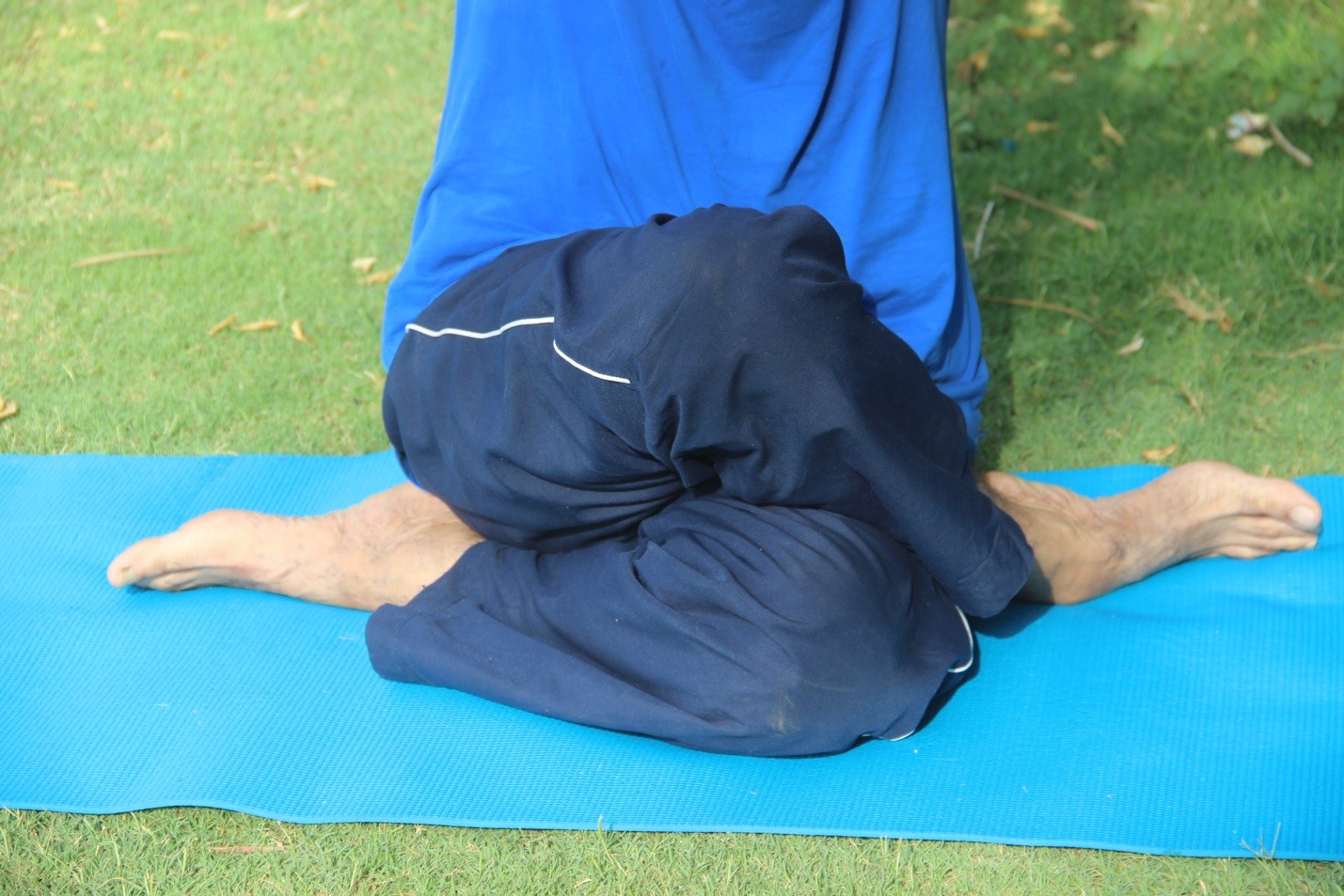
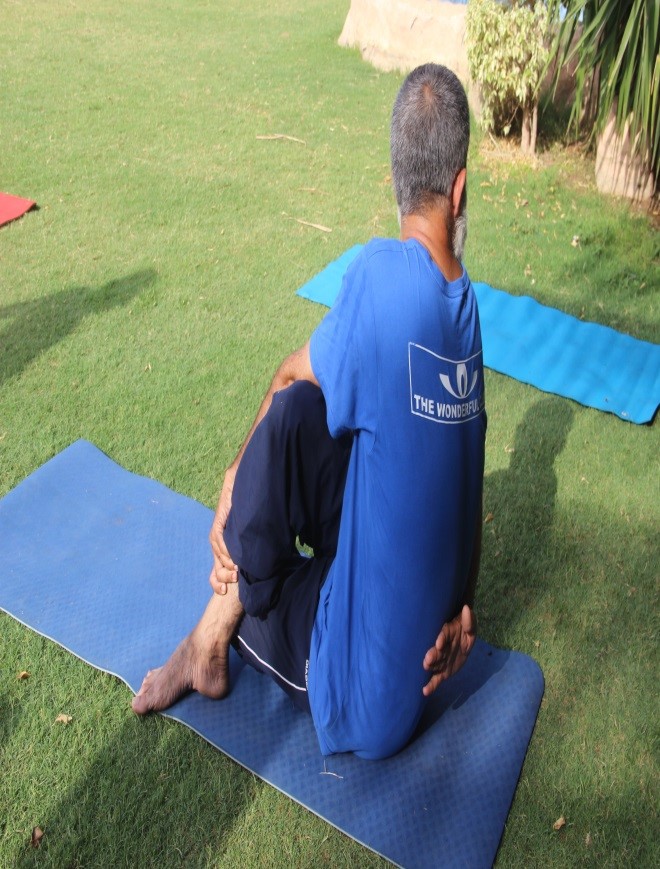
Leg Stretches
Sit with straight legs. Fold your left leg and put it at the right buttock. Now cross your right leg over left leg and put it at the left buttock. Fingers of both hands will be interlocked and place them on right knee. Hold this position and count as suggested. Then release your legs. Do the same thing by folding your left leg on right leg.
Steps to be followed:
1) Sit with straight legs. Fold your left leg and put it at the right buttock.
2) Now cross your right leg over left leg and put it at the left buttock.
3) Fingers of both hands will be interlocked and place them on right knee. Hold this position and count as suggested.
4) Then release your legs.
5) Do the same thing by folding your left leg on right leg.
Precaution: Do not practice this if you are having leg, ankle or hip injury, knee pain or injury.
Benefits: Brings strengthening leg stretches, benefits to stretch and toughen ankles, thighs, hips. It tones up back muscles. It also benefits to remove unwanted fat from thighs and hips area.
Easy Pose
Sit cross-legged on the floor in a comfortable position. Keep your spine erect. Place your hands on your knees with palms facing up, touching the index finger tip to the thumb tip. Close your eyes. Breathe slowly and deeply for 5 minutes. Focus your mind on your breathing and let go of all worries and tension.
Benefits: Relaxes the brain and relieves anxiety, and thus helps in preventing heart ailments. This meditative posture calms the nervous system, reduces cortisol levels and helps maintain a healthy heart rhythm. Regular practice reduces stress which is one of the leading causes of cardiovascular disease.

Breathing Exercise
Sit in Easy pose. Close your left nostril with ring and little finger. Close your eyes and breathe in through right nostril. Block right nostril with thumb and breathe out with left nostril. Again breathe in with left nostril. Close left nostril and breathe out with right nostril. Do this for 10 times. Change your legs and again do for 10 times.
Benefits: Benefits in keeping physically and mentally fit.
Corpse Pose
Lie down on your back and relax your whole body, as if you have gone to sleep. Place a cold towel on top of the eyes. In this posture, keep the mind clean from all worries and thoughts. Do this for 5 minutes.
Benefits: Should be performed after every asana for relaxation of mind and body.
